
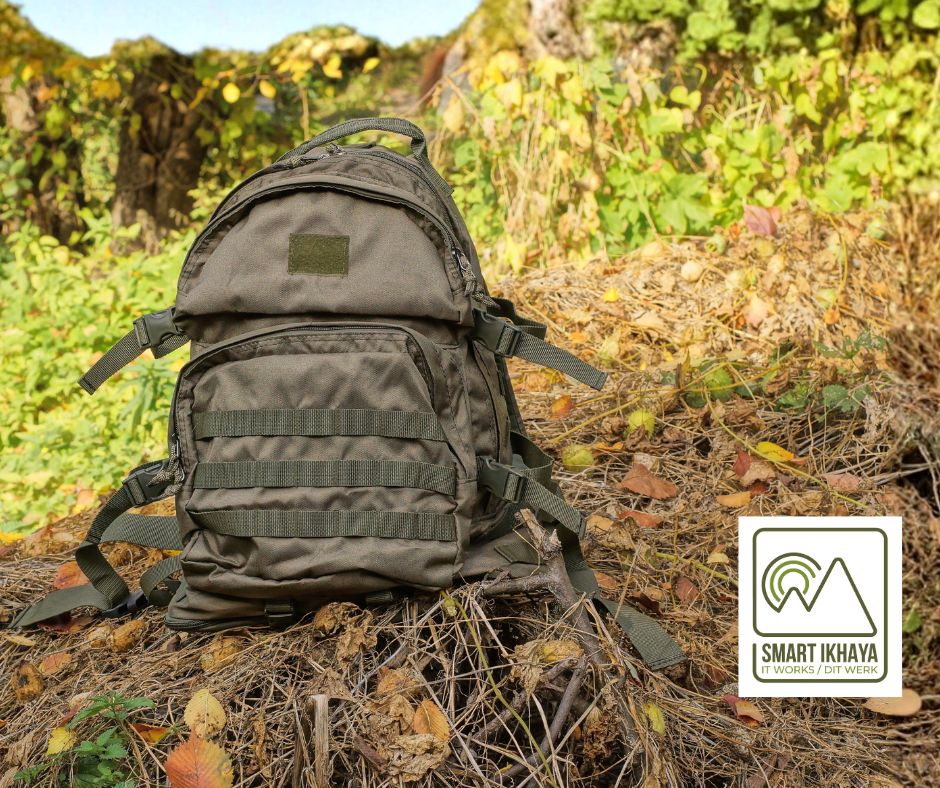
Ever had a tent strap snap, a canvas tear, or a bag seam give way at the worst moment? That’s where webbing comes in – the strong, flexible material that quietly holds everything together. From securing heavy-duty outdoor gear and tents to finishing upholstery edges, the right webbing ensures your project stays intact, no matter the conditions.
What Is Webbing?
Webbing is a woven narrow fabric designed for strength and durability. It’s made by interlacing two sets of yarns, warp (lengthwise) and weft (crosswise), to create a fabric with specific patterns, such as plain, twill, or herringbone. These patterns affect the webbing’s strength, flexibility, and appearance.
Webbing is used in countless applications where support, durability, and reliability are needed.
Our Key Webbing Products and Their Applications
1. Coated Webbing
Coated webbing has a protective layer that improves water resistance, durability, and longevity.
Popular Applications: Trucking and freight | Mining netting and support | Outdoor advertising and signage | Agricultural covers | Tensile structures | Marquees and tents | Pool covers.
2. Military Webbing
Built for strength, abrasion resistance, and UV stability, military webbing handles the toughest conditions.
Popular Applications: Tents: Tents, gazebos, and tarpaulins. Backpacks: Military backpacks | Army rucksacks | Navy haversacks | Air force knapsacks | Training and safety equipment.
3. Binding Tape
Binding tape is narrower and lighter than other webbings and is mainly used to finish edges or reinforce seams.
Popular Applications: Furniture and upholstery | Apparel and home furnishings | Mattress edging | Tent seam binding and piping | Industrial applications.
Pro-Tip for Working with Webbing: Measure carefully and leave a little extra length for knots or adjustments; this ensures safety and flexibility in your projects.
Ready to Choose the Right Webbing for Your Project?
At Smart Ikhaya, we supply high-quality coated webbing, military webbing, and binding tape to suit every project, from rugged tents and outdoor gear to professional upholstery and canvas work. Explore our range, find the perfect fit for your needs, and ensure your projects are strong, durable, and built to last.
Get started today – visit our webbing product page and discover how the right material can take your project to the next level. Browse Coated Webbing › | Explore Military Webbing ›| Explore Binging Tapes ›
Frequently asked questions about Webbing
What is webbing made of? Webbing is typically made from nylon, polyester, or cotton, and can be coated or untreated depending on the application. The material affects strength, flexibility, and UV resistance. For more information refer to each product’s webpage.
How strong is webbing? Strength varies by type: military webbing can hold heavy loads, while binding tape is lighter and mainly for finishing edges. Always check the tensile rating before using it for weight-bearing applications.
How do I cut webbing without fraying? Use sharp scissors or a hot knife. For synthetic webbing, sealing the edges with heat prevents fraying and keeps straps neat and strong.
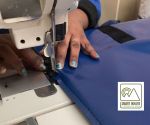
Can webbing be sewn? Absolutely. Most webbing can be sewn, but heavy-duty or military webbing may require industrial needles and machines for strong, lasting seams.
Blog Posts
You might be interested in some of our other posts and guides. See below for a list of categories and previous posts:
Smart Ikhaya = It works
Author, Date, Article Name
 Smart Ikhaya